What is Massage Therapy?
Massage therapy involves the manipulation of the body's soft tissues, including muscles, connective tissues, tendons, and ligaments. A trained professional or an advanced massage device applies pressure and movement to promote relaxation and alleviate pain. Different techniques target specific outcomes and understanding them can help you choose the best approach for your needs.
Common Types of Massage
- Swedish Massage: This is one of the most well-known types, utilizing long, flowing strokes, kneading, and circular movements. It is primarily for relaxation and relieving muscle tension.
- Deep Tissue Massage: The deep tissue massage technique uses more forceful strokes to target the deeper layers of muscle and connective tissue. It is commonly used to treat muscle damage from injuries.
- Shiatsu Massage: A form of Japanese bodywork, Shiatsu uses finger pressure in a rhythmic sequence on acupuncture meridians. It aims to balance the body's energy flow, or Qi.
- Reflexology: This practice involves applying pressure to specific points on the feet, hands, and ears, which are believed to correspond to different body organs and systems.
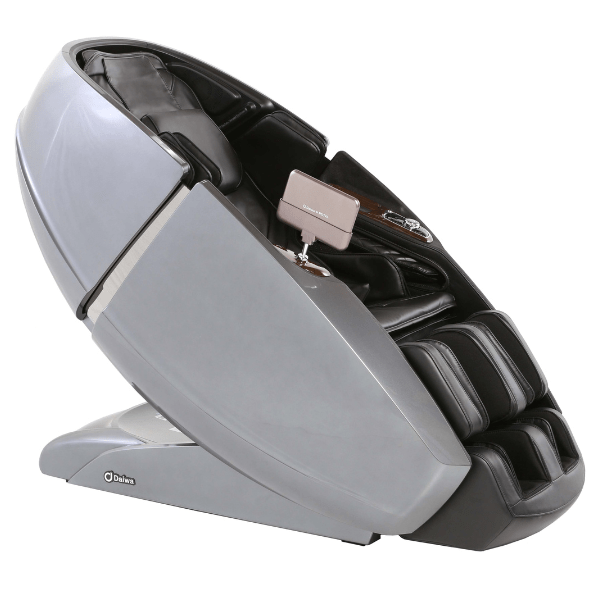
- Compression Massage: This technique uses controlled pressure, often from airbags in a massage chair, to rhythmically compress and decompress muscles. It is excellent for improving circulation and relieving stiffness.
Each method offers unique benefits, from general relaxation to targeted therapeutic relief, contributing to overall physical and mental wellness.
Benefits of Massage for Circulation
Proper blood circulation is fundamental to your health. It facilitates the transport of oxygen-rich blood and nutrients to your organs and tissues while helping to remove metabolic waste. When circulation is compromised, it can lead to various health issues, including fatigue, swelling, and even cardiovascular problems. Daily massage can be a powerful tool to enhance circulatory functions.
How Massage Improves Blood Flow
The physical pressure applied during a massage helps to stimulate blood flow through congested areas. As the pressure is released, new blood flows in, promoting better circulation. This process, known as vasodilation, widens the blood vessels, allowing blood to move more freely. Improved circulation delivers more oxygen to the muscles, which can help repair damaged tissues and reduce soreness.
Furthermore, techniques like compression massage can effectively reduce swelling (edema) in the limbs by encouraging the movement of lymphatic fluid, which carries waste products away from the tissues. Regular massage has also been linked to lower blood pressure by promoting relaxation and reducing the stress hormones that can cause blood vessels to constrict.
Massage and Mood Enhancement
The connection between physical touch and mental well-being is well-documented. Massage therapy provides a direct pathway to a better mood by influencing the body’s biochemistry.
The Science of Feeling Good
One of the most significant psychological benefits of massage is the release of endorphins, the body's natural "feel-good" chemicals. These neurotransmitters create a sense of euphoria and act as natural pain relievers. Simultaneously, massage has been shown to decrease levels of cortisol, the primary stress hormone. High cortisol levels are associated with anxiety, sleep disruption, and a suppressed immune system. By managing cortisol, massage helps foster a state of calm and relaxation.
Improved sleep quality is another major benefit. By reducing pain and promoting relaxation, a daily massage can help regulate sleep patterns, allowing you to achieve deeper, more restorative rest. Consistent, quality sleep is crucial for mood regulation, cognitive function, and overall mental health.



 Skip to content


