The Biomechanics of Deep Tissue Technology
Deep tissue massage differs fundamentally from Swedish or relaxation massage. While relaxation modalities focus on long, gliding strokes to soothe the nervous system, deep tissue therapy targets the inner layers of muscles and connective tissues.
To replicate this, a massage chair requires advanced engineering. Standard 2D rollers move up, down, left, and right. However, true deep tissue capability requires 3D and 4D mechanisms. These advanced robotic rollers can protrude away from the track, pressing firmly into the user’s back muscles.
This protrusion allows the chair to mimic the pressure of a human therapist’s thumbs and elbows. High-quality deep tissue chairs utilize sensors to map the user's spinal curvature. This ensures the rollers apply consistent pressure across the lumbar, thoracic, and cervical spine without causing injury. When a chair can adjust depth and intensity in real-time, it transforms from a luxury item into a legitimate pain management tool.
Therapeutic Efficacy and Health Benefits
The value of a deep tissue chair lies in its ability to facilitate physiological change. The application of sustained pressure to myofascial trigger points offers several documented benefits.
Pain Reduction and Management
Deep tissue manipulation breaks down muscle "knots" or adhesions that can disrupt circulation and cause pain. For users with chronic lower back pain, the mechanical pressure helps realign muscle fibers and reduce inflammation.
Enhanced Circulation
The intense pressure applied during a deep tissue session forces blood out of the congested muscle tissue. When the pressure releases, fresh, oxygenated blood flows in. This cycle accelerates recovery for athletes and improves overall vascular health.
Spinal Decompression
Many deep tissue chairs incorporate stretching programs. By gripping the shoulders and legs while extending the back mechanism, these chairs create space between the vertebrae. This decompression can relieve pressure on discs and nerves, addressing the root causes of sciatica and general stiffness.
Evaluating the Return on Investment (ROI)
Determining "worth" requires a financial analysis. A high-quality deep tissue massage typically costs between $90 and $150 per hour. If an individual requires weekly therapy to manage chronic pain, the annual cost ranges from $4,680 to $7,800.
In contrast, a premium massage chair is a one-time capital expenditure. While the upfront cost is higher, the machine has a lifespan of 10 to 15 years with proper maintenance. For a household with two users, the chair pays for itself in less than two years compared to clinical visits. Furthermore, the accessibility of on-demand therapy—available at 10 PM or 6 AM—adds a layer of convenience that booking appointments cannot match.
Top Contenders in Deep Tissue Therapy
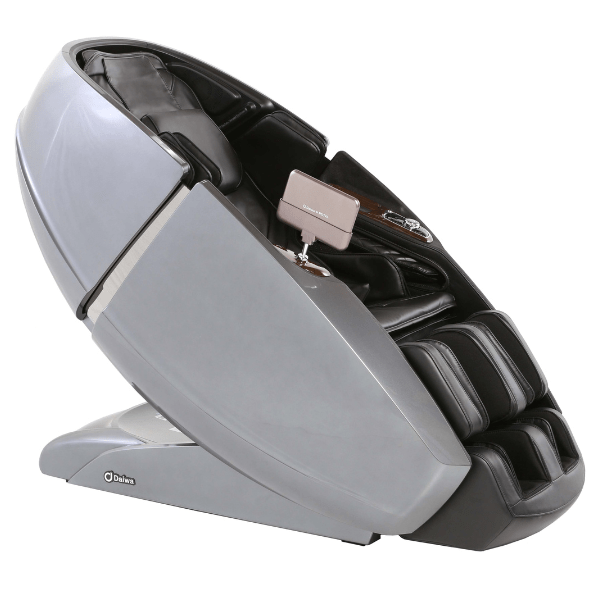
To understand the capability of modern engineering, we must look at specific models that excel in delivering deep, therapeutic pressure.





 Skip to content


